

Modeling guides
Practical guidance for building clear, trustworthy models: what to capture, how to keep it simple, and how to get a result you can act on.
 Modeling guides
Avoiding BPM technology landmines
BPM makes sense as a management strategy, but BPM technology is risky, expensive, and often oversold. Here are five landmines and one major blunder executives should avoid before spending millions.
Read Modeling guides
Build and test models faster
Real Data Modeling drives a simulation with actual order and patient records instead of fitted distributions. Models build in a fraction of the time, and testing is as simple as comparing known inputs to known outputs.
Read Modeling guides
Defining objectives for business
A competitive edge comes from controlling your business with correct data on both products and processes. See how clear objectives and process simulation let you test improvements before you spend.
Read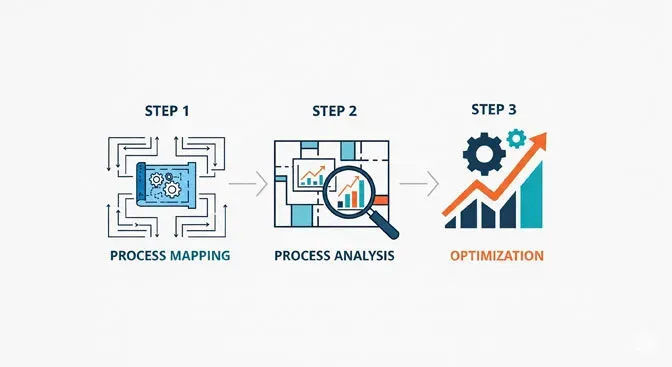 Modeling guides
The key to dramatic success with process improvement tools
A Process Breakthrough engagement targets one urgent business problem and solves it fast. See the three-step strategy that turns process improvement tools into measurable business value.
Read Modeling guides
East Coast pool company dives into outsourcing with process simulation
An East Coast pool builder packed 85% of its engineering into six months of the year and still had to return every design within 24 hours. Process simulation showed exactly how to staff the work at the lowest cost.
Read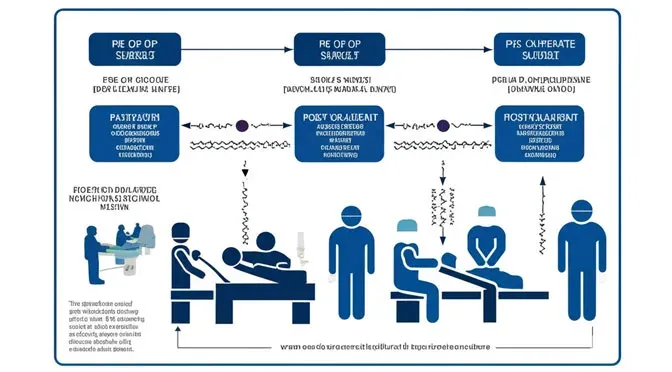 Modeling guides
Healthcare process simulation: optimizing pre and post-op surgery
Shared rooms, limited cleaning staff, and variable process times create circular bottlenecks that averages cannot capture. A six-step healthcare process simulation found the right room and staff count.
Read Modeling guides
How process simulation can help make unpredictable choices
A moderate process can hide more than 226,000 possible configurations, far too many to test by hand. See how simulation paired with optimization hunts down process resonance and makes the choice for you.
Read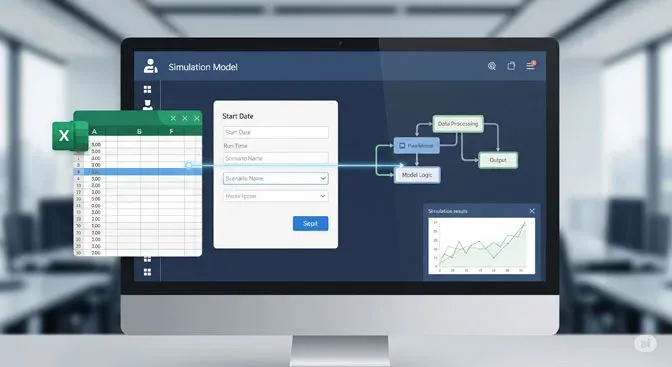 Modeling guides
How to create a ProcessModel custom interface
A custom interface gives users one simple place to drive a complex model, protects your detailed logic, and turns hard inputs into plain tables. Here is how to build one.
Read Modeling guides
How to gather the right information in a flash
How do you capture an organization's knowledge, experience, and procedures into a process model without setting everything on fire? Run the capture workshop like you have done it a hundred times. Here is how.
Read Modeling guides
How to model overall patient flow
A major hospital group read its own patient records into a ProcessModel template to model overall patient flow. The model showed when departments would overcrowd and by how much, and it surfaced four new surgical opportunities a week without breaching emergency department reserve capacity.
Read Modeling guides
How to reduce emergency room waiting time using process simulation
Long emergency room waits burden patients and the whole health system. By examining flow, components, and bottlenecks in a simulation, you can find the design changes that actually reduce wait time.
Read Modeling guides
Inbound call center model object
The Inbound Call Center Model Object builds a complex call center simulation for you from named employees, shifts, and skills. It reports the percentage of time you meet your SLA and shows the hours when you will miss it, so staffing can be fixed before problems hit.
Read Modeling guides
Increasing vehicle production using simulation
Vehicle lines with heavy option content, like Daimler Trucks, are hard to balance because every station's time shifts with the build. Process simulation finds the bottlenecks and the best production order before anything changes on the floor.
Read Modeling guides
Last year 70% of all business process transformations failed
Most process transformations and improvement projects fail for a handful of avoidable reasons, from never understanding the whole process to drowning in data and losing stakeholders. Here is what goes wrong, and how a digital twin turns each failure point into a strength.
Read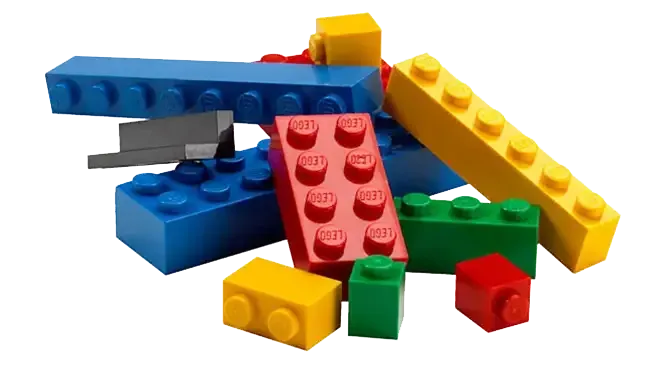 Modeling guides
Legos for model building: model objects
Model objects are Legos for process improvement. They are pre-built model segments that snap together to solve hard simulation problems, cut modeling time, and raise project quality.
Read Modeling guides
New manufacturing assembly model objects
Two new model objects make intermittent assembly systems, the kind that build many different products on one line, fast to model. Builds that once took weeks now take minutes.
Read Modeling guides
Preloading queues
Large models can waste a long warmup period just filling up. Preloading queues seeds your storages with entities so the simulation starts in steady state and answers questions sooner.
Read Modeling guides
Process interviewing problems and solutions
Process interviewing is the fastest way to capture how a system really works, but people will try to derail it in predictable ways. Here are nine common interviewing problems and a solution for each.
Read Modeling guides
ProcessModel resource scheduler
Define shifts for every person and asset in your model from a single page, see all assignments at a glance, and track the total hours given to each resource.
Read Modeling guides
Saving children's lives: the power of healthcare process simulation
During a severe pandemic, triage decides who reaches a critical bed. A peer-reviewed study used healthcare process simulation to design the triage thresholds and raised pediatric survival by almost 25%.
Read Modeling guides
Schedule high-volume production
Scheduling millions of entities sounds like it would grind a simulation to a halt, but a simple create-route technique keeps the model fast. Here is how it works.
Read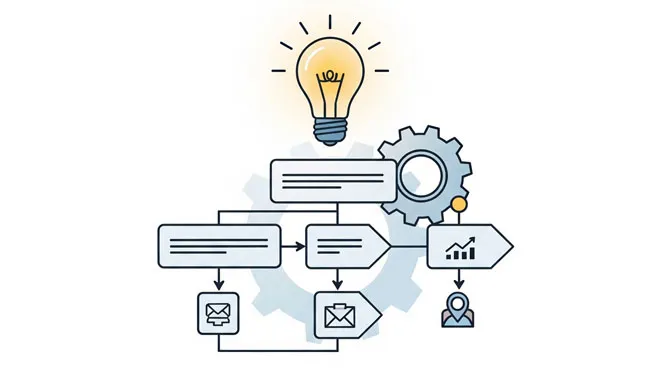 Modeling guides
Simple ways to improve processes with business process modeling
Wanting to improve is not enough. To change an organization's results, you have to find the actual processes and address every weakness, and a structured method makes that repeatable.
Read Modeling guides
Simplify DMAIC decision-making using process simulation
DMAIC gives Six Sigma projects a reliable structure, but that structure can blind teams to better tools. See how Pratt & Whitney strengthened every DMAIC phase with process simulation.
Read Modeling guides
Simplify your simulation: a step-by-step guide to building models without the headaches
The flow is the foundation of a model. Get it right first, before timing, arrivals, or resources, and the rest of the build stays simple. Here is the order that saves the most rework.
Read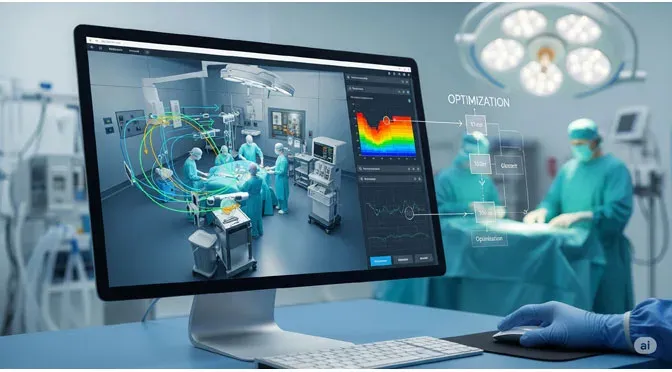 Modeling guides
Optimizing surgical operations with discrete event simulation
Static flowcharts and spreadsheets cannot model a surgical suite, because they rely on averages. See how discrete event simulation won over skeptical doctors and reduced patient waiting time.
Read Modeling guides
The tragedy of process simulation: 5 mistakes to avoid
The real tragedy of process simulation is not wasted time. It is the missed opportunity for quick, compounding wins. Avoid these five mistakes to model faster and analyze better.
Read Modeling guides
You are the bottleneck
Can an underutilized resource still be a bottleneck? Yes. Average utilization hides when a resource is swamped, so here is how to find exactly when a resource causes delays and whether the pattern repeats.
ReadSee your process clearly, then prove the fix
Build the model, run the simulation, find the constraint, and show the improvement before you change a thing.