
The problem
Where the time was going
Upper management hears plenty of presentations that sound great and then fall short once they are built, and skepticism is the natural result. This manufacturer took a different path, testing ideas in simulation before committing to them so that everyone involved could see the outcome of a proposed change first.
The company, one of the world's largest medical-technology firms, makes a wide range of medical supplies, devices, and diagnostic systems. It needed to increase production of one of its devices, the pipets used to transfer fluid in lab environments, after demand jumped by fifteen percent and pushed the plant into backorders it could not clear with existing capacity.
Management's instinct was to buy equipment for another pipet line at a cost of more than one million dollars, with a twelve-to-eighteen-month lead time. A project team was chartered first to evaluate the situation, present options, and meet the demand at the lowest cost it could.
What we modeled
Mapping the process, then testing the fix
The team gathered detailed production data and built a ProcessModel simulation, then validated it against reality until everyone agreed it was a good representation of the floor. The model identified the extrusion area at the start of the product run as the bottleneck, and the team tried different scenarios to find the most effective way to add capacity there.
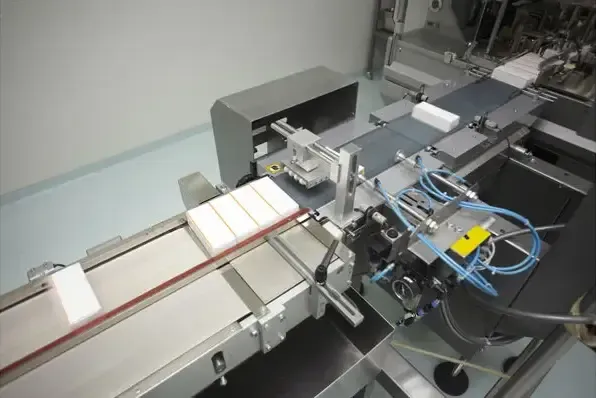
The answer was to share production with another line to raise capacity at extrusion, rather than buy a whole new line. While building the model, the team also found that downstream operations were imbalanced, so it improved machine uptime and product flow there and installed conveyors and ergonomic workstations to reduce safety risk.

The result
The proof, and the payoff
The model demonstrated that a new production line would not be needed for two years if the added extrusion capacity and the smaller line improvements were put in place. The project raised production by 13.85 percent, which allowed a sales-revenue increase of 2.1 million dollars a year and deferred one million dollars of capital spending.
Implementation cost 180,000 dollars, most of it directed at reducing safety risk in the major production areas. The team's takeaway was that small improvements can lead to big results, and that benchmarking production in a model helps a company avoid costly decisions. The company's stated goal is to "become the organization most known for eliminating unnecessary suffering and death from disease, and in doing so, become one of the best performing companies in the world."
- +13.85%
- more output from the existing plant
- $2.1M
- added sales revenue a year
- ~$1M
- capital spending deferred about two years
Part of our work in healthcare.